
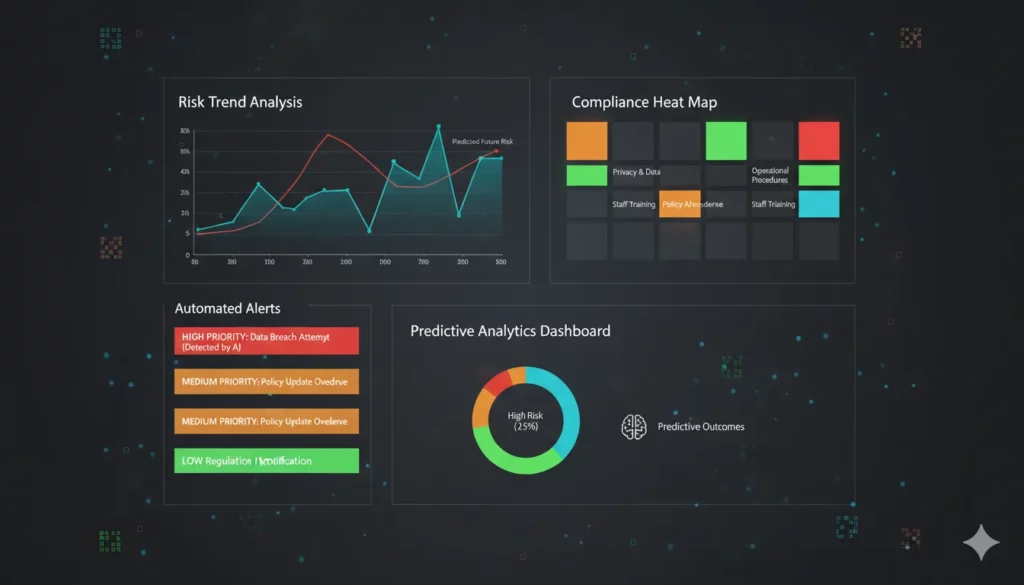
NDIS Software Compliance Automation: Regulatory Management
TL; DR NDIS compliance automation empowers providers to reduce administrative burden, maintain continuous regulatory adherence, and stay audit-ready at all times. With automated monitoring, risk assessment, audit trail management, and regulatory update adaptation, providers can proactively manage compliance, enhance governance, and improve operational efficiency. Leveraging NDIS regulatory software like Vertex360 ensures scalable, accurate, and real-time compliance across all service areas. Why NDIS Compliance Automation Matters NDIS providers operate within one of Australia’s most complex and tightly regulated service frameworks. Manual compliance management significantly increases administrative workload, elevates audit exposure, and shifts organisational focus away from participant-centred service delivery. NDIS compliance automation addresses these pressures by embedding regulatory controls directly into everyday operational processes. Automated compliance management reduces manual oversight while ensuring continuous adherence to NDIS Practice Standards. Instead of relying on spreadsheets, disconnected registers, and retrospective checks, automated NDIS compliance systems monitor obligations in real time. This enables providers to identify gaps early and maintain compliance as an ongoing operational state. As regulatory scrutiny and audit expectations continue to intensify, reactive compliance approaches are no longer sufficient. Providers that invest in NDIS compliance software achieve stronger governance, improved accountability, and long-term operational sustainability while maintaining consistent regulatory alignment. Understanding Automated NDIS Compliance Management Automated NDIS compliance refers to software-driven systems that continuously monitor, document, and validate compliance activities against NDIS Practice Standards. These platforms replace manual oversight with structured workflows, automated alerts, and system-led controls, ensuring providers stay compliant in real time. Compliance management NDIS platforms centralise critical functions including: Policy and procedure management Incident reporting workflows Complaints handling systems Workforce training tracking Staff credentialing oversight This consolidation reduces gaps caused by human error, fragmented documentation, and inconsistent practices across teams. Effective NDIS incident management software integration ensures seamless compliance workflow automation. For providers managing multiple locations or diverse service lines, automated NDIS compliance ensures standardisation while allowing flexibility for service-specific requirements. The system can generate detailed reports, maintain audit-ready records, and track compliance trends, enabling providers to proactively address potential risks. Compliance Monitoring Systems and Real-Time Oversight Modern NDIS compliance automation platforms deliver continuous, real-time monitoring across all operational areas. These systems track mandatory compliance actions, certification requirements, and policy renewals automatically. This ensures obligations are embedded into daily workflows rather than managed retrospectively. Automated Alert Systems Automated alert systems notify managers when: Actions are overdue or approaching deadlines Documents are nearing expiry dates Compliance risks arise across operations Staff credentials require renewal NDIS risk management thresholds are exceeded By leveraging NDIS regulatory software, providers gain instant access to dashboards showing organisational compliance status. This strengthens governance, supports executive oversight, and enables informed decision-making across leadership teams. Proactive Risk Identification Through Automation Automated compliance systems identify risks before they become reportable issues. By analysing operational data, platforms detect patterns related to incidents, complaints, or workforce non-compliance. This allows providers to address risks proactively rather than reactively. NDIS compliance automation shifts organisations from problem-solving after the fact to preventive risk management. Early identification supports corrective action planning and continuous improvement aligned with NDIS Quality and Safeguards Commission requirements. As operations grow in complexity, manual risk monitoring becomes less reliable. Automated systems provide consistent, accurate, and scalable oversight, ensuring providers maintain compliance across all services. Audit Trail Automation and Evidence Management NDIS audits demand extensive documentation, traceability, and clear proof of compliance across all operational areas. NDIS audit automation ensures that required evidence is captured automatically as part of everyday workflows, reducing reliance on manual record-keeping and human intervention. Automated Documentation Capture Automated audit trails record critical compliance activities automatically: Policy acknowledgements and staff sign-offs Training completions and certification records Incident reports and corrective action plans Participant management documentation Quality assurance reviews and outcomes This continuous tracking streamlines evidence collection and reduces the time and stress associated with audit preparation. Systems provide time-stamped records, version-controlled documents, and centralised storage for easy retrieval. Continuous Audit Readiness for NDIS Providers Audit readiness is no longer a periodic or reactive activity; it must be embedded into everyday operations. Automated compliance management ensures documentation is always current, complete, and accessible whenever required by regulators. NDIS regulatory software centralises evidence storage with: Secure access controls Automatic version control Detailed activity logs Searchable documentation archives Auditors can verify compliance efficiently, which reduces both audit duration and operational disruption. For providers aiming for smoother certification or surveillance audits, NDIS audit automation delivers tangible benefits, including reduced administrative workload, improved staff confidence, and strengthened organisational reputation for compliance excellence. Managing Regulatory Updates with Automation NDIS requirements evolve frequently, introducing new obligations, reporting thresholds, and governance expectations. Manual tracking of these regulatory changes increases the risk of non-compliance and can create operational inefficiencies for providers. NDIS compliance automation addresses this challenge by embedding regulatory intelligence directly into everyday workflows. Automated compliance platforms are designed to adapt seamlessly to changing regulations through system updates, workflow adjustments, and automated compliance prompts. Providers are alerted to new requirements, ensuring that all teams follow updated procedures without delay or confusion. The Australian Government Department of Social Services regularly updates NDIS frameworks, making automated regulatory tracking essential for sustained compliance. Regulatory Change Adaptation and System Updates Compliance management NDIS systems continuously adjust checklists, documentation requirements, and reporting workflows as NDIS rules change. This ensures providers are not relying on outdated compliance frameworks that could result in audit findings or non-conformities. Automated NDIS compliance shortens the lag between regulatory updates and operational implementation. Providers can roll out system-wide updates simultaneously, maintaining consistency and compliance across all locations and service lines. This capability is essential for preserving compliance integrity, particularly during periods of regulatory reform or increased oversight. It empowers providers to stay ahead of changes while supporting continuous risk mitigation and operational efficiency. Risk Assessment Tools and Compliance Intelligence Advanced compliance management NDIS systems incorporate automated risk assessment tools that evaluate incidents, complaints, workforce data, and compliance trends. These tools assign dynamic risk scores to highlight areas of concern, helping providers prioritise attention where it is most needed. Trend Analysis and Pattern Recognition Trend
NDIS Software Compliance Automation: Regulatory Management Read More »